Project
Designing for scaling users 10k-> 100k
Client
Designing for scaling users 10k-> 100k
Year
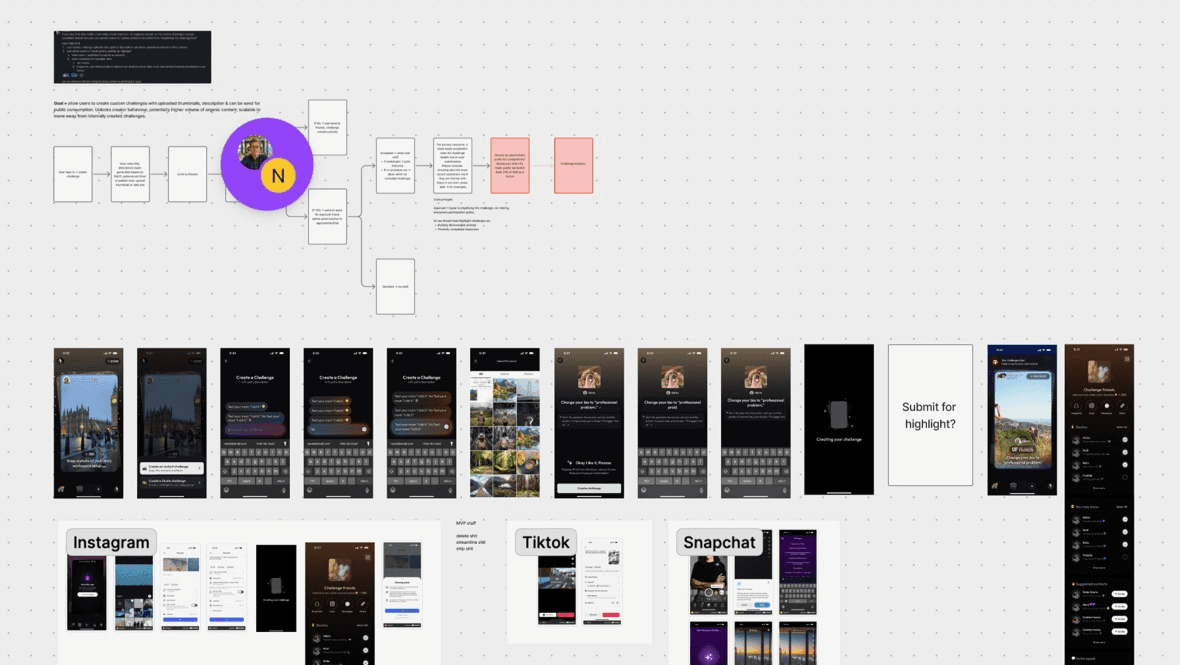
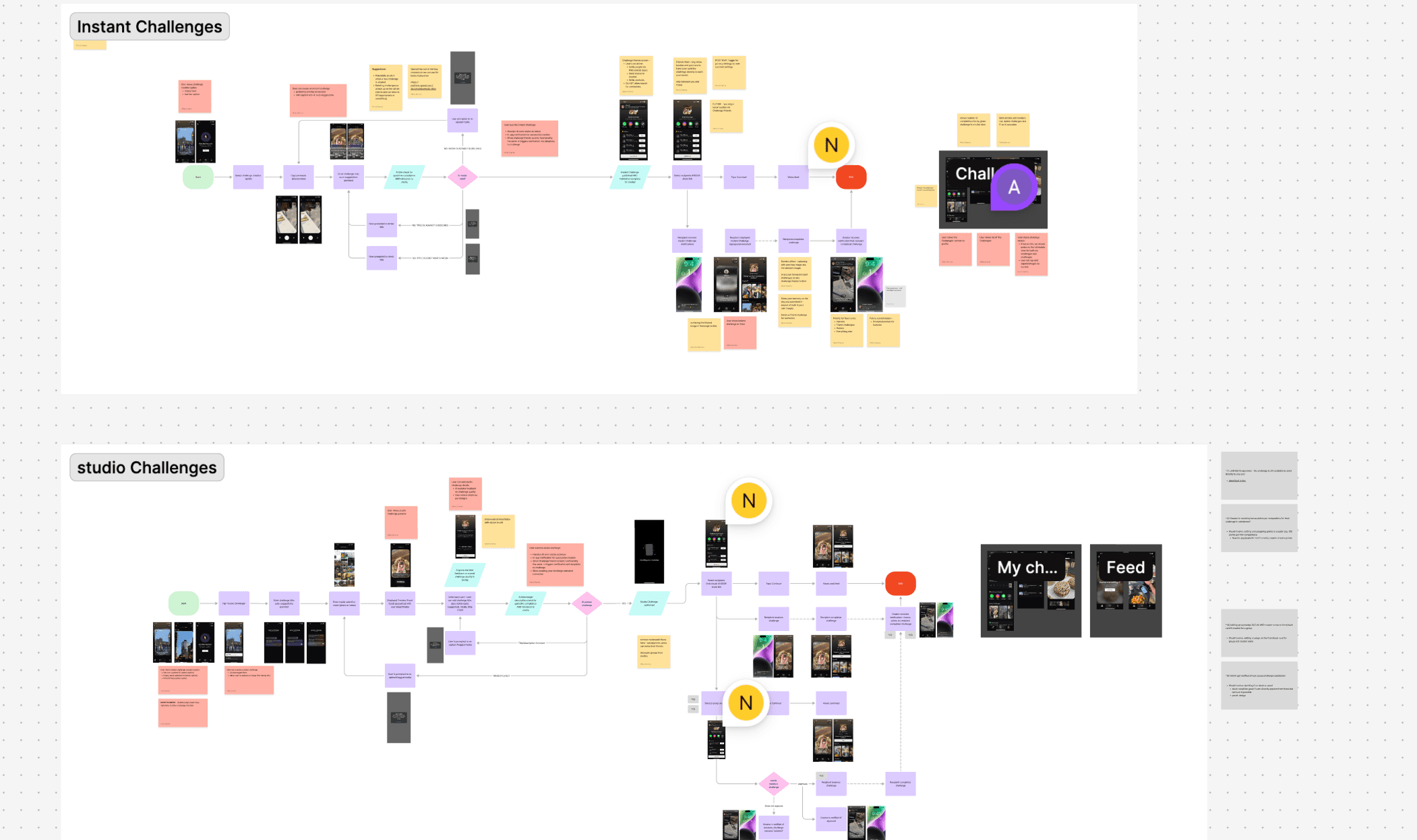
Design systems that were "good enough" became inconsistent across 6+ engineers. Components built for a small team started splintering as the product grew, each engineer making local decisions, the codebase drifting, and what was meant to create consistency creating new inconsistencies faster than they could be fixed. Day-to-day, this meant constantly monitoring incoming issues and triaging them before they became bigger problems. A large part of the role became sitting between users and engineering, identifying what was a genuine bug, what was a design gap, and what was simply a feature request being mislabelled as broken. Regular syncs with engineering weren't optional at this scale; they were the only way to stay ahead of what could realistically be fixed, what needed a workaround, and what required a more significant architectural decision.
Feedback that was manageable at 10k became contradictory at volume. The loudest users weren't the most representative ones, and at 100k the signal turned to noise. Prioritising issues meant filtering by impact, how many users were affected, how severely, and whether fixing it aligned with where the product was going. Not every complaint warranted a change, and learning to distinguish a pattern from an edge case became as important as any design decision.
As demand grew, so did the pressure to expand and accommodate features that users were actively asking for. The work was figuring out which of those requests could be absorbed into the existing system, which ones required the product to genuinely evolve, and which ones, however loudly requested — didn't fit the business model. Every decision was documented and fed back to engineering so nothing was lost in translation.
Handling millions of opinions and deciding what matters most within the required timeline isn't a project management problem, t's the core skill of designing at scale. The designer who can do this is the one who compounds value as the team grows.